What the main shutoff does
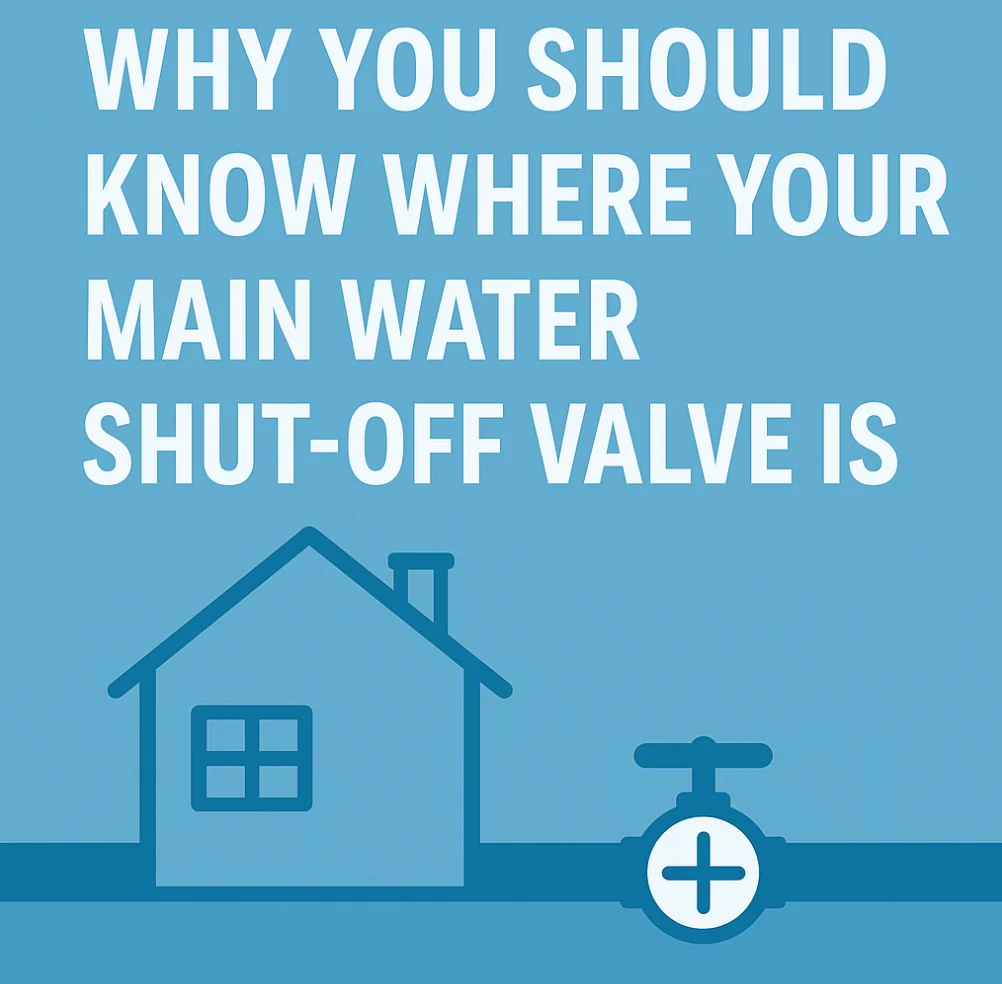
The main valve stops water entering the home’s plumbing system. Closing it can limit damage from a burst supply pipe, failed appliance hose, overflowing fixture, or other active leak.
Common locations
- Basement or utility room near the point where the service line enters
- Near the water meter
- Crawl space or mechanical area
- Garage in some homes
- An exterior meter pit or curb valve controlled by the utility
Identify the correct valve
The household main is often a lever-style ball valve or a round-handle gate valve on the incoming cold-water line. Do not confuse it with a gas valve, boiler valve, water-heater valve, or utility-owned curb stop.
If you are not certain, ask a licensed plumber to identify and label it.
Make sure it is accessible
Do not bury the valve behind storage. Attach a durable label, add it to the household emergency plan, and show every responsible adult how to reach it.
Test without forcing it
A modern ball valve should move a quarter turn; older gate valves require multiple turns. Corrosion, leakage at the stem, or a handle that will not move are reasons to stop and arrange service.
Never use excessive leverage on a stuck valve. Breaking the main shutoff can release water with no easy indoor way to stop it.
What to do during an active leak
- Keep away from water near electrical equipment.
- Close the nearest fixture valve when that safely stops the leak.
- Use the main shutoff when the source is unknown or cannot be isolated.
- Call Russell Services; call 911 for immediate life-safety hazards.
LOCAL HELP WHEN YOU NEED IT
Not sure what your home is telling you?
Describe the issue and Russell Services will help you determine the right next step. For active leaks, no heat, or a problem getting worse quickly, call directly.