1. The hot water runs out sooner
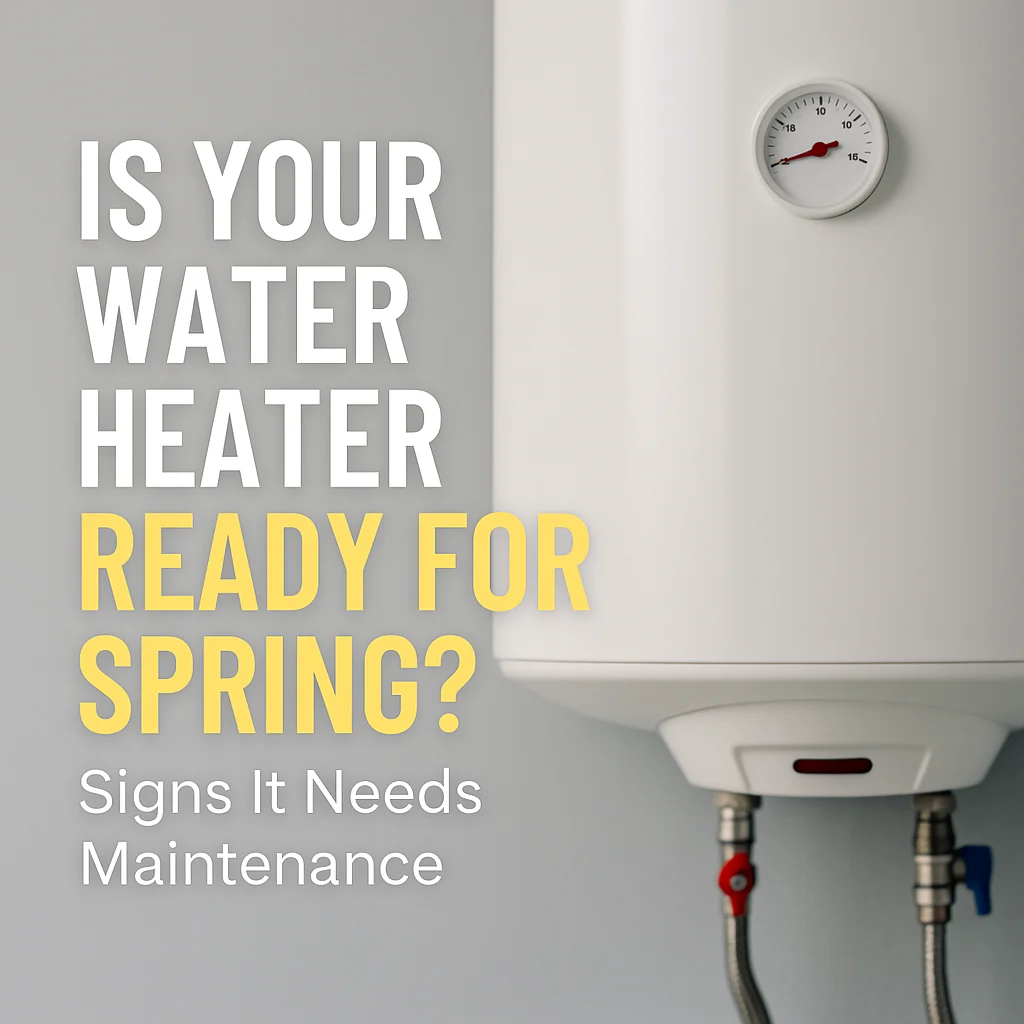
A noticeable loss of capacity can come from sediment, a failing heating element, burner trouble, or an aging tank. It is especially important when the household routine has not changed.
2. Popping, rumbling, or banging noises
Mineral deposits can collect at the bottom of a tank and trap pockets of water beneath them. The resulting sounds are a warning that the system is working harder than it should.
New or persistent noises should be diagnosed instead of ignored.
3. Rust-colored or cloudy hot water
Discoloration from the hot side may point to sediment, corrosion, or a deteriorating anode rod. Compare the hot and cold water to help determine whether the issue is isolated to the heater.
4. Moisture around the equipment
Water at the base can come from a connection, relief valve, drain valve, condensate line, or the tank itself. Even a small amount deserves prompt attention because tank failures can worsen quickly.
Keep away from standing water near electrical connections. Call immediately if the leak is active.
5. Inconsistent temperature or higher energy use
Fluctuating temperature, delayed recovery, or unexplained increases in energy use may indicate scale, control issues, or declining efficiency. Tankless systems can also lose performance when scale restricts internal passages.
Maintenance should match the equipment
Traditional tanks, gas systems, electric heaters, heat-pump units, and tankless equipment have different service procedures. Russell Services can inspect the unit, explain what it needs, and help determine whether maintenance, repair, or replacement makes sense.
LOCAL HELP WHEN YOU NEED IT
Not sure what your home is telling you?
Describe the issue and Russell Services will help you determine the right next step. For active leaks, no heat, or a problem getting worse quickly, call directly.