1. Check visible pipes, valves, and faucets
Look under sinks, around toilets, near appliances, and beside the water heater. Watch for dripping, rust, mineral deposits, water stains, or musty cabinet bottoms.
Exercise accessible fixture shutoffs gently. Do not force a corroded or stuck valve.
2. Inspect outdoor hose bibs
Turn each faucet on slowly and check pressure, drainage, and the interior wall behind it. A leak inside the wall may not appear at the outdoor connection.
3. Test the sump pump
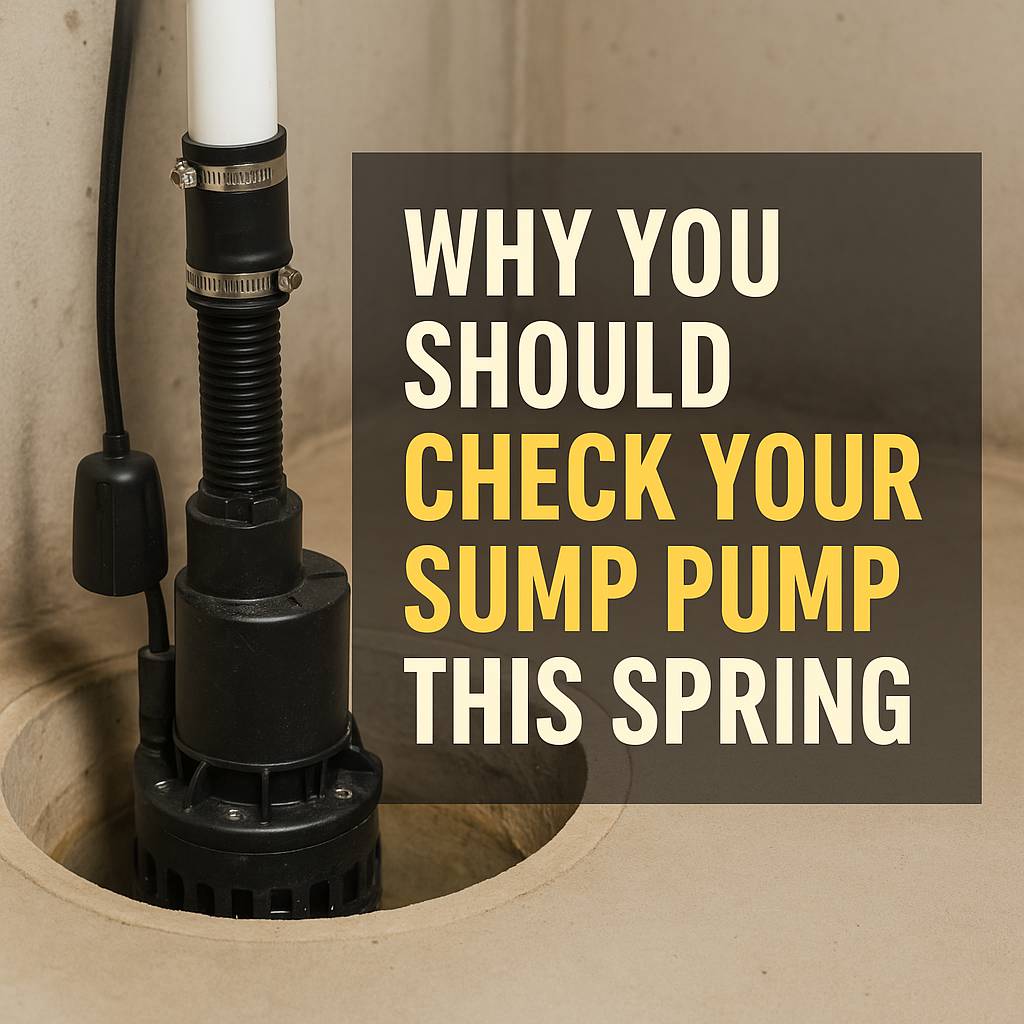
Verify that the float moves freely, the pump starts and stops, and the discharge line sends water away from the foundation. Test the backup system and high-water alarm too.
4. Review drains and toilets
- Address sinks or showers that drain slowly.
- Check toilets for movement, constant running, or moisture at the base.
- Use food coloring in the tank to detect a silent flapper leak.
- Avoid harsh drain chemicals when a blockage keeps returning.
5. Check pressure and appliance connections
Compare water flow at multiple fixtures. Inspect washing-machine and dishwasher supply lines for bulges, corrosion, dampness, or age. Replace questionable hoses before they fail.
6. Look over the water heater
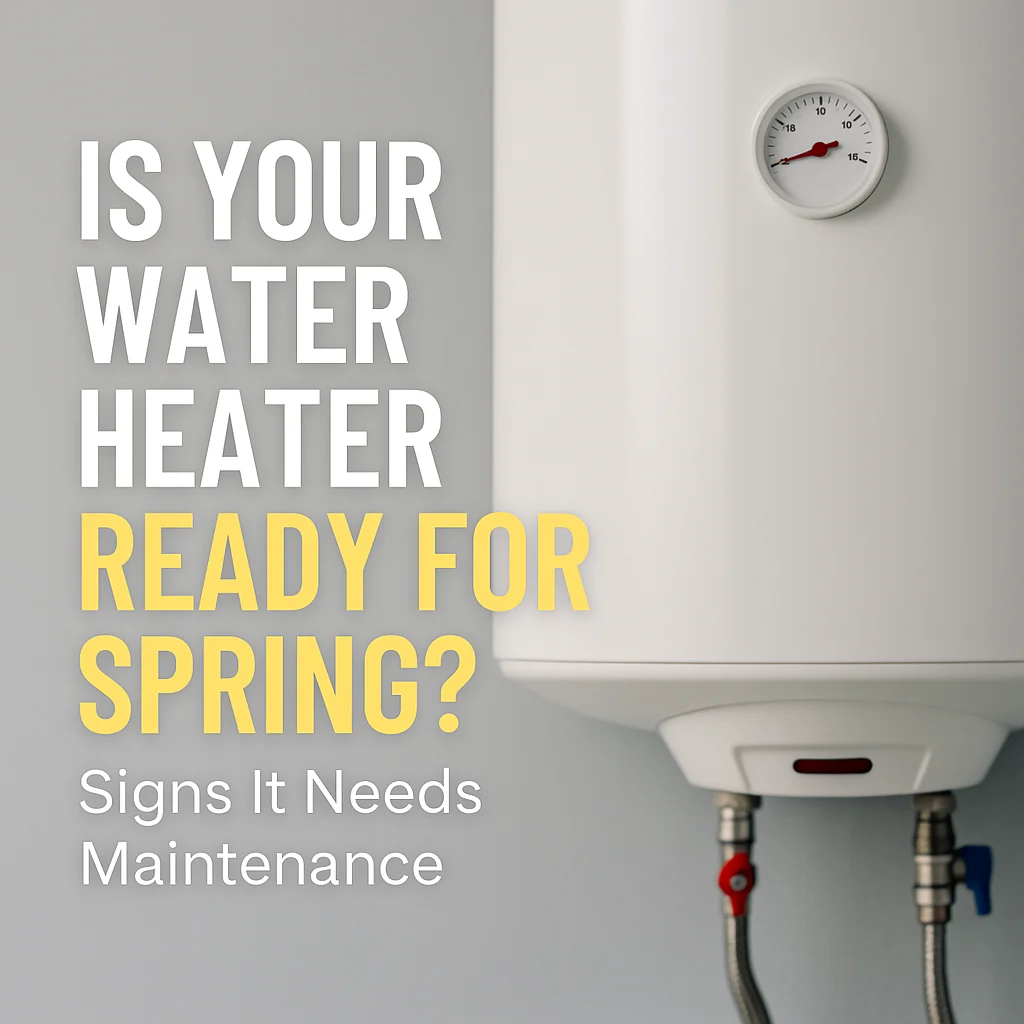
Check for rust, moisture, error codes, unusual sounds, and changing hot-water performance. Maintenance requirements vary, so follow the manufacturer’s instructions or use a qualified professional.
Finish with a household safety check
Make sure everyone knows the location of the main water shutoff. Label it clearly, keep the area accessible, and save Russell Services in your phone before an urgent problem occurs.
LOCAL HELP WHEN YOU NEED IT
Not sure what your home is telling you?
Describe the issue and Russell Services will help you determine the right next step. For active leaks, no heat, or a problem getting worse quickly, call directly.