1. Replace or clean the filter
A dirty filter restricts airflow and makes the system work harder. Check the size and airflow direction, and follow the equipment manufacturer’s replacement interval.
2. Test the thermostat before cold weather
Switch to heat on a mild day and confirm the system starts, reaches the set temperature, and shuts down normally. Replace thermostat batteries when applicable.
Do not wait for the first freezing night to discover that the system will not start.
3. Clear vents and heating areas
- Move furniture and rugs away from supply and return vents.
- Vacuum accessible dust without pushing debris into ductwork.
- Keep stored items away from boilers, furnaces, burners, and flues.
- Make sure combustion-air openings are unobstructed.
4. Test smoke and carbon monoxide alarms
Test every alarm, replace batteries as recommended, and check the replacement date printed on the unit. Working carbon monoxide alarms are essential whenever fuel-burning equipment is operating.
5. Watch for warning signs
- Repeated ignition attempts or a pilot that will not stay lit
- New odors, soot, scorch marks, or visible corrosion
- Rattling, banging, grinding, or short cycling
- Uneven heat or unexplained energy increases
- Water around a boiler or connected piping
6. Schedule professional service
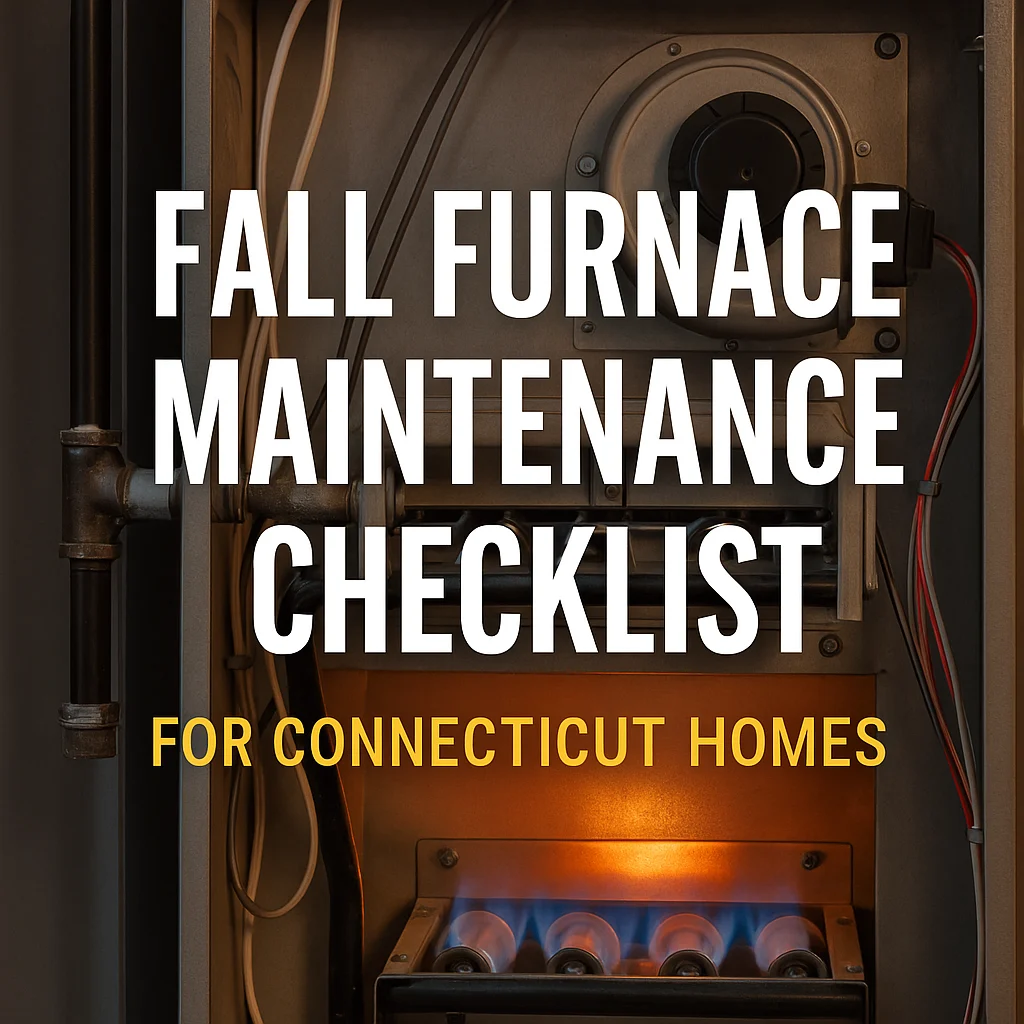
Combustion, venting, electrical connections, heat exchangers, safeties, and boiler controls require appropriate training and instruments. Russell Services can diagnose heating problems and explain the next step before winter demand arrives.
If a carbon monoxide alarm sounds or you smell gas, leave immediately and call 911 or the gas utility from a safe location.
LOCAL HELP WHEN YOU NEED IT
Not sure what your home is telling you?
Describe the issue and Russell Services will help you determine the right next step. For active leaks, no heat, or a problem getting worse quickly, call directly.